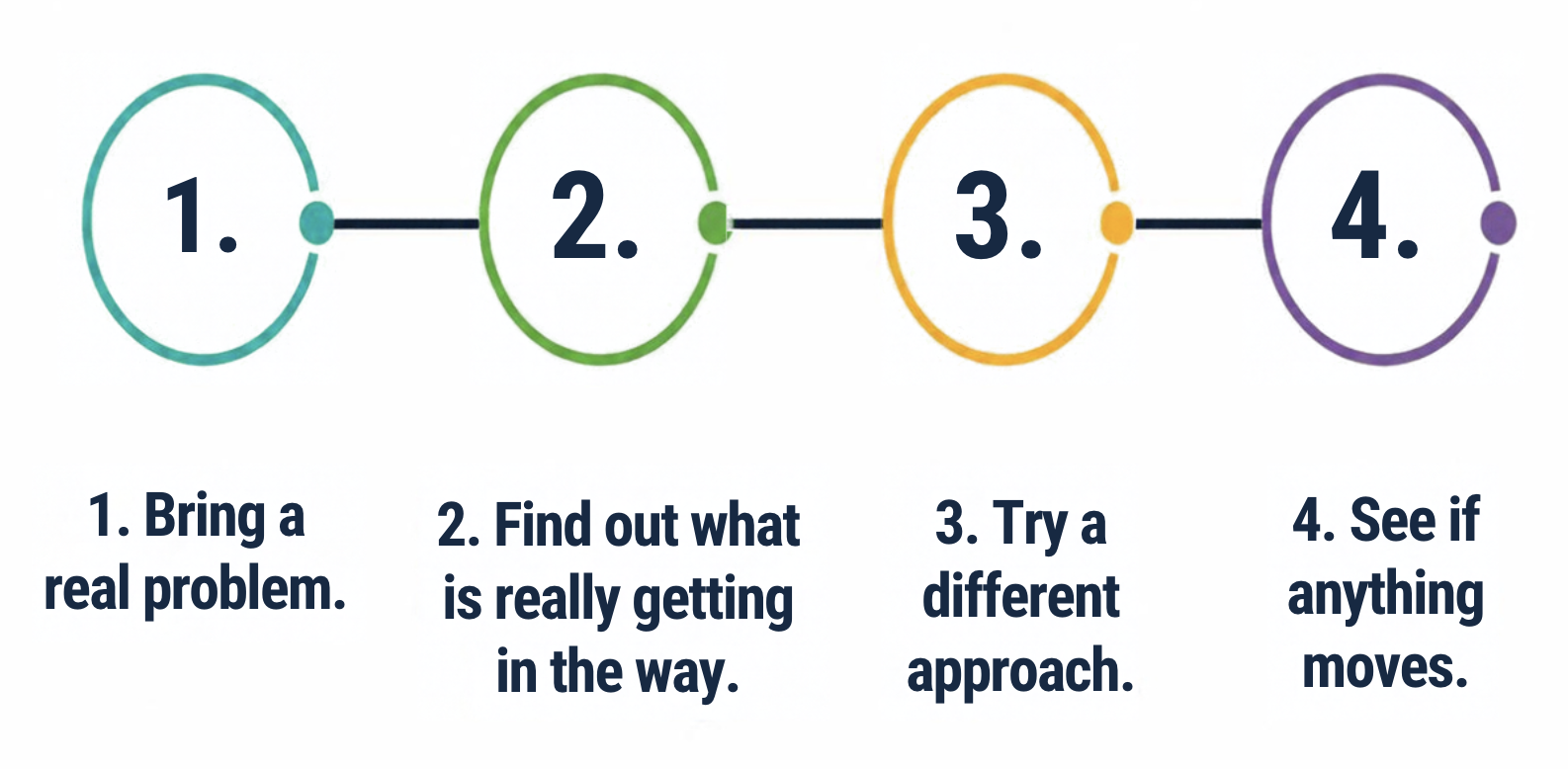
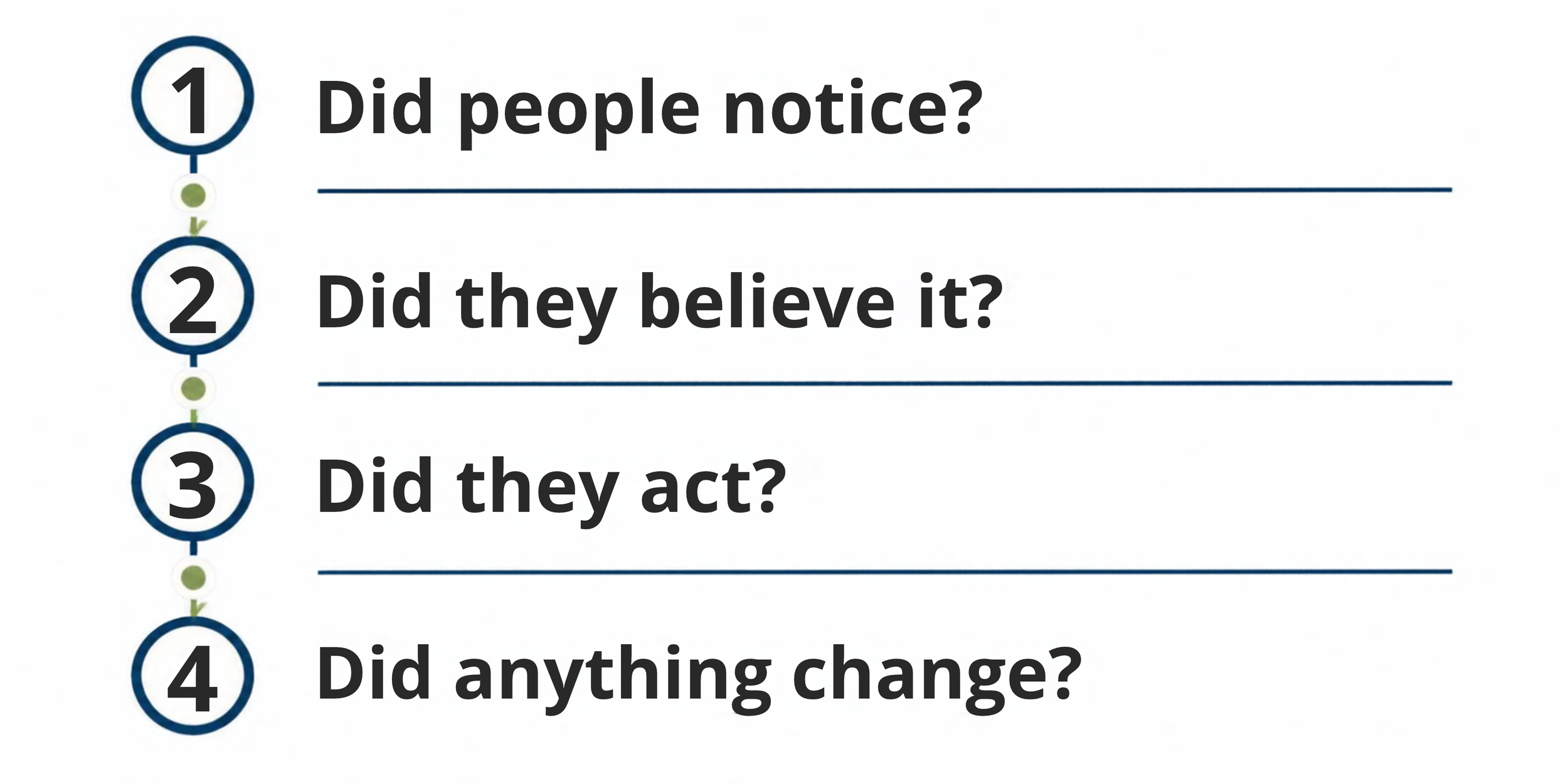
OUR QUEST METHOD
What If the Obvious Problem Isn't “the” Problem?
Quest uses behavioral science to understand why important problems are not moving.
The Quest Method uses Leadership Response Science to help you find and fix what is really keeping an important problem stuck.
Sometimes the problem is friction, or risk aversion, and even lack of trust. But sometimes it is something deeper: emotion, identity, pride, status, or the feeling that saying yes means giving something up.
The net result is:
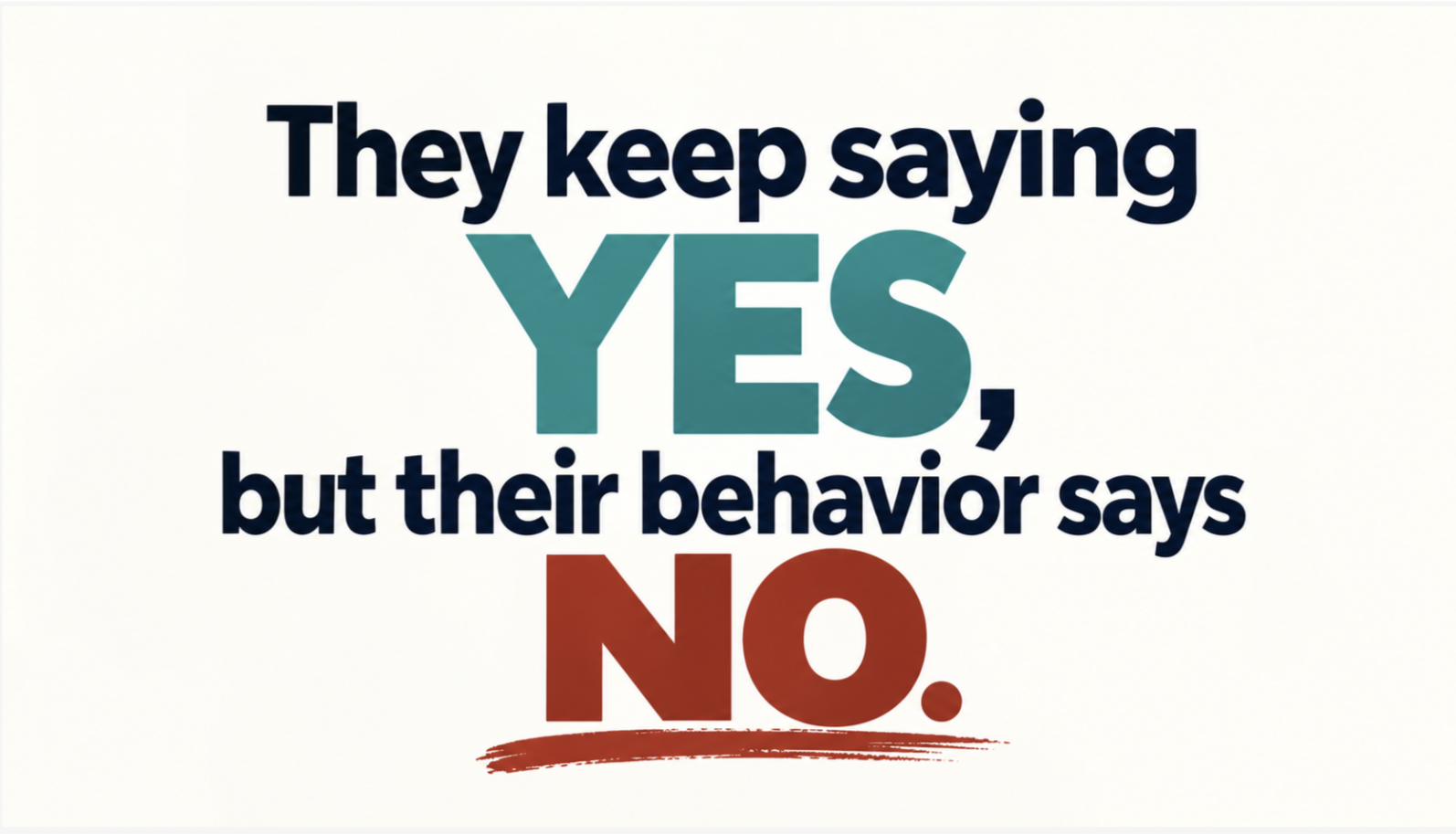
How we work is that instead of you jumping to another program, another expensive consultant, or another big transformation plan, we help you find the smaller human lever first.
This Is the Big Difference.
Before you spend more, push harder, or launch something bigger, we help you find what will actually solve the problem much easier and cheaper.
Studies Show Something Important
Changing a default setting moved employee participation in a retirement plan from 37% to 86%. Nothing else changed.
Showing physicians how they compared with top-performing peers cut inappropriate antibiotic prescribing from 20% to 4%. Emotions and Identity used well.
And your safety-reporting system can fail simply because using it is too hard. Friction causing failure.
Why We Call It a Quest - A Quest is what you do when the obvious solution has already failed.
Because the obvious answer is not always the right one.
Sometimes the real problem is buried under habit, fear, identity, friction, trust, or years of “this is how we do things.”
A Quest means we do not stop at the first explanation. We go looking for what is really driving the behavior.
And when we find it, the solution can be smaller, faster, and far less expensive than the big fix everyone assumed you needed.
What Problem Is Keeping You Stuck?
Bring me the problem that keeps coming back.
Let’s see what is really getting in the way.
Seven Known Minutes Feel Different From Seven Unknown Minutes.
Think about waiting for a ride.
The obvious problem is time.
So the obvious fix is a shorter wait.
But seeing the car move toward you changes something too.
You may still wait seven minutes.
Now you know it is coming.
Now you know what is happening.
Now you know you have not been forgotten.
The obvious problem is time.
The human problem is uncertainty.
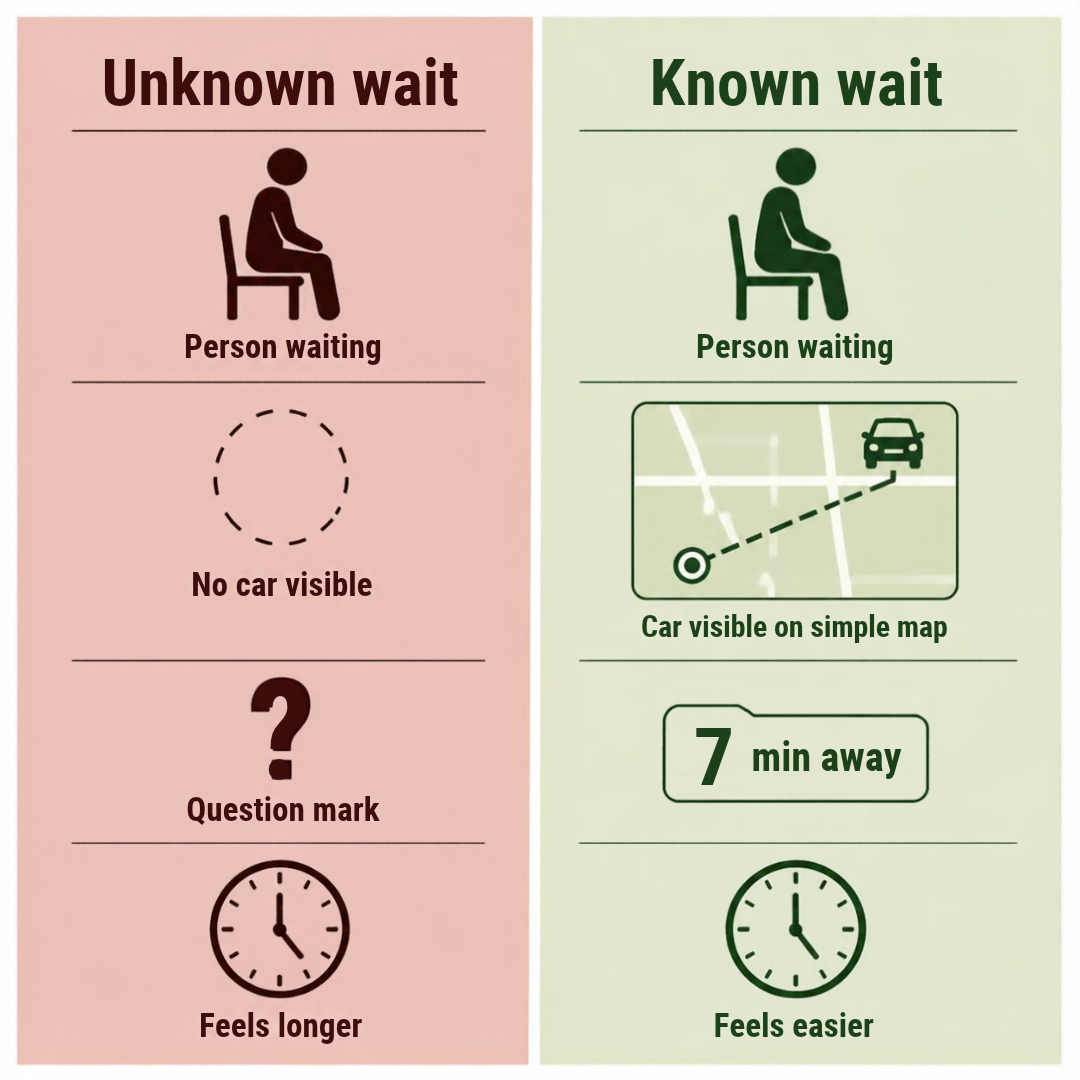
Same wait. Different experience.
Leaders Make This Mistake All the Time.

Looks like they don't care - The process may be too hard.
Looks like they're resisting - They may be trying to avoid risk.
Looks like they need more communication - They may not trust the message or the messenger.
Looks like a culture problem - The everyday experience may be teaching the wrong behavior.
Quest Changes the Question.
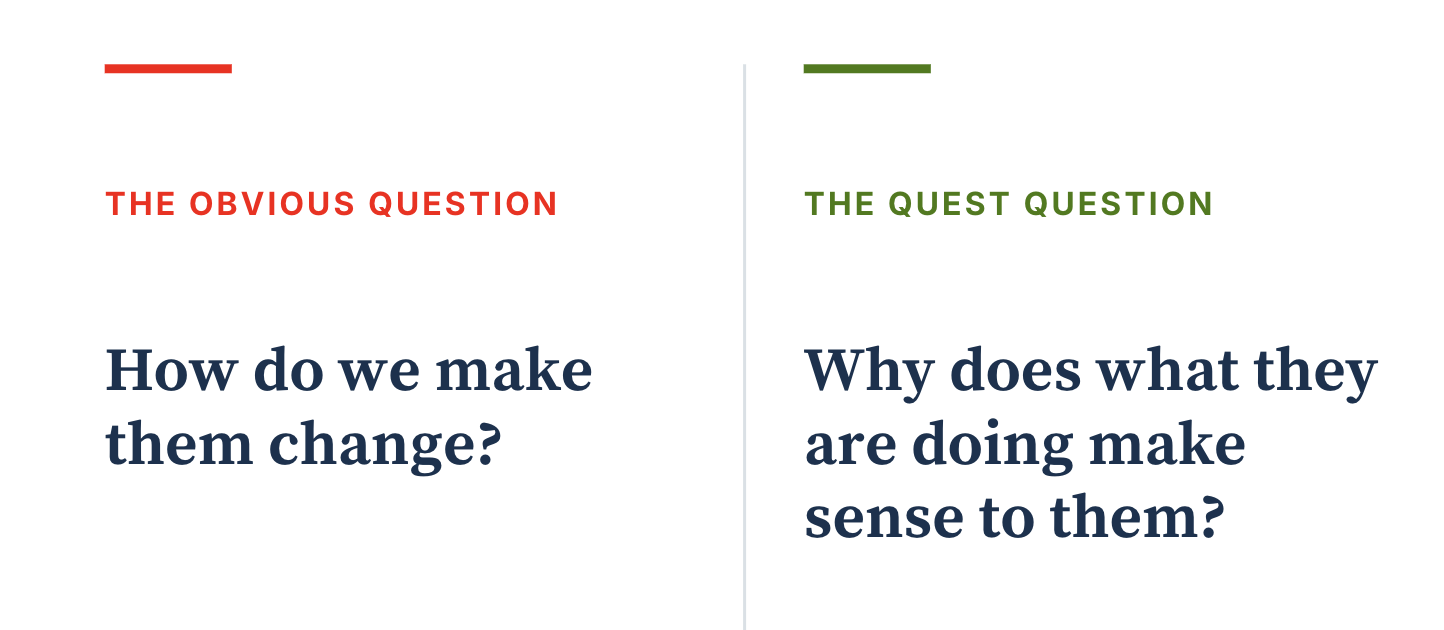
When you understand that, better solutions become possible.
How a Quest Works